A persistent toothache does not always mean that a tooth needs to be removed. In many cases, the outer structure of the tooth can remain functional even when the soft tissue inside it has become inflamed or infected. Root canal treatment is designed to address this internal problem while preserving the natural tooth whenever it is clinically suitable.
For patients in Kothrud and other parts of Pune, Maharashtra, understanding the signs of pulp damage can make it easier to seek assessment before the condition becomes more complicated.
Why a tooth may need root canal treatment
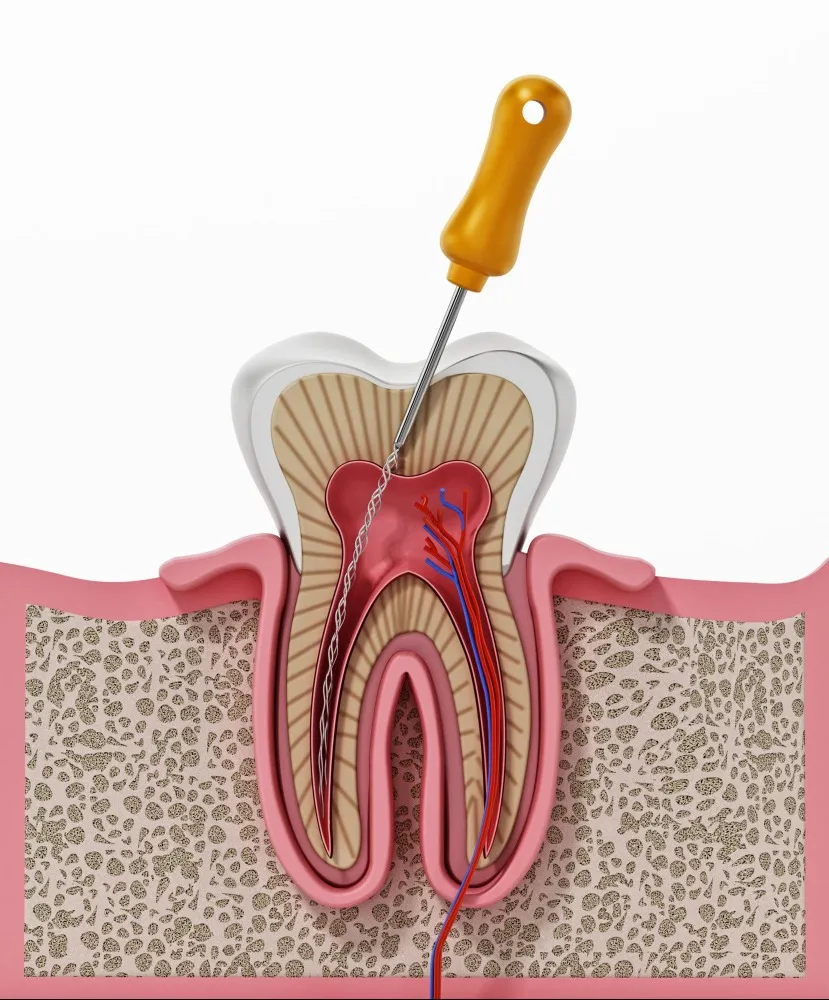
Inside each tooth is a space containing pulp tissue, which includes nerves and blood vessels. Deep decay, cracks, repeated dental procedures, trauma, or severe wear can allow bacteria or irritation to affect this tissue.
Possible warning signs include:
- Persistent or spontaneous tooth pain
- Prolonged sensitivity to hot or cold
- Pain while biting or chewing
- Swelling around the tooth
- Tenderness in the nearby gum
- A recurring pimple-like swelling on the gum
- Darkening of a tooth after trauma
Some teeth requiring treatment produce surprisingly little pain. This is why an examination and dental X-rays can be important when symptoms or previous dental history suggest deeper damage.
What happens during the procedure
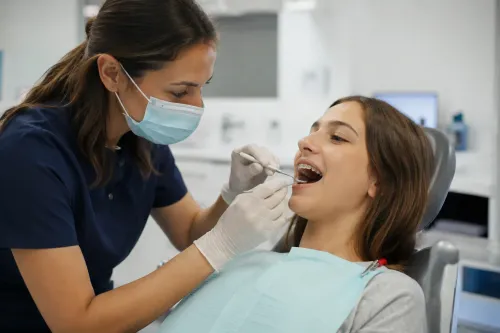
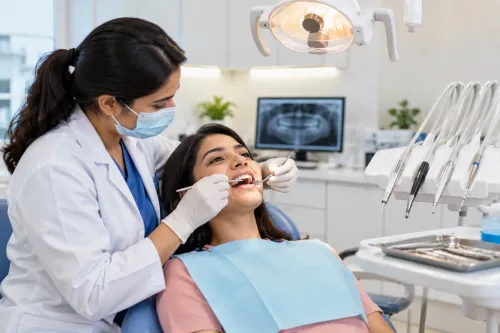
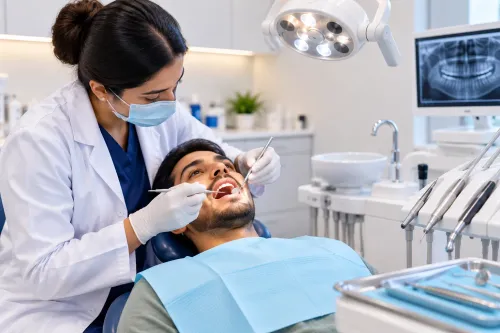
The dentist first evaluates whether the tooth can reasonably be restored. If root canal therapy is appropriate, local anaesthesia is generally used to make the procedure comfortable.
An opening is created in the tooth so the affected pulp tissue can be removed. The internal root canal spaces are then cleaned, shaped and disinfected. They are subsequently filled and sealed to reduce the possibility of reinfection.
Depending on the condition of the tooth, treatment may be completed in one appointment or require additional visits.
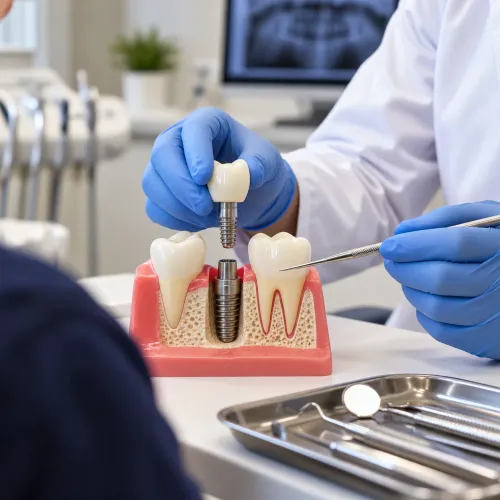
The tooth must also be restored properly afterward. Teeth that have lost substantial structure may require a dental crown to improve protection during chewing.
How long does recovery take
Mild tenderness after treatment can occur, particularly if there was inflammation around the root before the procedure. This commonly improves over the following few days.
Patients should avoid chewing very hard foods on a temporarily restored tooth until the final restoration has been completed. Persistent swelling, worsening pain, an altered bite, or symptoms that do not settle should be reviewed rather than ignored.
Benefits and limitations
The main benefit of root canal therapy is preservation of a natural tooth that might otherwise need extraction. Keeping the tooth can help maintain chewing function, appearance and neighbouring tooth stability.
However, treatment is not suitable for every damaged tooth. A severe vertical fracture, inadequate remaining tooth structure, advanced periodontal problems, or other complications can affect whether the tooth can be predictably restored.
Potential risks include persistent infection, missed or unusually complex canals, instrument complications, fracture, or the need for retreatment. Careful diagnosis helps determine whether these risks are acceptable for the individual tooth.
Preparing for treatment and caring for the tooth afterward
Before the appointment, tell the dentist about current medicines, allergies and relevant medical conditions. Unless instructed otherwise, normal meals can usually be taken before local anaesthesia.
After treatment:
- Follow the prescribed oral-care instructions
- Brush and floss normally but carefully
- Avoid placing excessive pressure on a temporary restoration
- Complete the recommended permanent filling or crown
- Attend follow-up appointments when advised
At Dr. Nair's Dental Care and Implant Center, assessment may include clinical examination and appropriate imaging before a tooth-preservation plan is considered.
Frequently asked questions
Does root canal treatment remove the tooth?
No. The infected or inflamed tissue inside the tooth is treated while the outer tooth is retained.
Will the tooth be completely normal afterward?
A successfully treated and properly restored tooth can continue functioning, although its long-term outlook depends on remaining structure, gum health, biting forces and oral hygiene.
Is a crown always necessary?
Not every tooth requires one. The decision depends on tooth position, structural loss and fracture risk.
For people in Pune experiencing persistent tooth pain, early evaluation can clarify whether the problem needs a simple restoration, root canal therapy, periodontal care, or another form of dental treatment.
Keywords