
An affordable dentist is not simply the one with the lowest advertised procedure fee. You need to separate every charge, compare like-for-like treatment plans, and confirm that the recommendation protects urgent oral health rather than postponing necessary care. By the end, you will have a practical way to evaluate quotes, clinical quality, treatment alternatives, and payment options.
Key takeaways
- Ask for a written estimate that lists every treatment, material, and follow-up charge.
- Compare total treatment plans, not isolated procedure fees.
- Check whether the quote includes scans, temporary work, medicines, and reviews.
- Prioritise urgent problems and confirm payment terms before treatment begins.
Define affordability before you compare dental fees
Affordable dental care is not the lowest advertised treatment fee. It is a complete plan whose total cost is clear and includes the steps needed for a safe, durable result. Ask the clinic to separate each charge before deciding.
| Cost item | What the estimate should show | Why it matters |
|---|---|---|
| Consultation fee | Examination and discussion, listed separately | A free consultation may lead to undisclosed charges |
| Diagnostic costs | X-rays, periodontal evaluation, or CBCT by name | Skipping needed diagnosis can cause failed treatment; CBCT should be used when lower-dose imaging cannot answer the clinical question |
| Treatment fee and materials | Procedure, tooth or area, filling, crown, appliance, or implant material | A cheap material or omitted procedure can change the result and lifespan |
| Laboratory charges | Crown, denture, aligner, or implant components | Outside laboratory work can substantially change the final bill |
| Medicines and anesthesia | Prescriptions, local anesthetic, and sedation | These are not always included in the headline price |
| Follow-up visits | Reviews, adjustments, implant recalls, and maintenance | Implants require professional and home care to reduce inflammation and disease around them |
| Emergency charges | After-hours assessment and urgent treatment | A low initial quote is not affordable if complications create unexpected costs |
Check whether a federally qualified health center offers a sliding-fee discount based on income and family size. For children at caries risk, sealants and fluoride varnish are essential preventive care when clinically indicated, not cosmetic extras. Affordable care protects these necessities instead of removing them to lower the quote.
Compare written estimates line by line
A written dental estimate is comparable only when both quotes describe the same clinical work, not merely the same headline procedure. Match the diagnosis, number of teeth, surfaces involved, treatment stages, and what happens if examination findings change.
| Line to match | Estimate A | Estimate B |
|---|---|---|
| Procedure and site | Crown on tooth 16 | Crown on tooth 16 |
| Material or appliance type | Zirconia crown | Porcelain-fused-to-metal crown |
| Diagnostics and preparation | X-rays, decay removal, local anesthesia | X-rays included; anesthesia separate |
| Laboratory fee | Included in crown price | Billed separately |
| Temporary restoration | Included for 14 days | Not stated |
| Follow-up visits | Cementation and one review | Cementation only |
| Taxes | Included in total | Added at checkout |
| Total payable | State the complete amount | State the complete amount |
Ask both dentists to explain any row marked “separate,” “if required,” or “not included.” A lower crown price loses its advantage if it excludes imaging, a temporary crown, periodontal treatment, medicines, or the review needed to check healing.
For implants, compare the full sequence rather than the fixture alone:
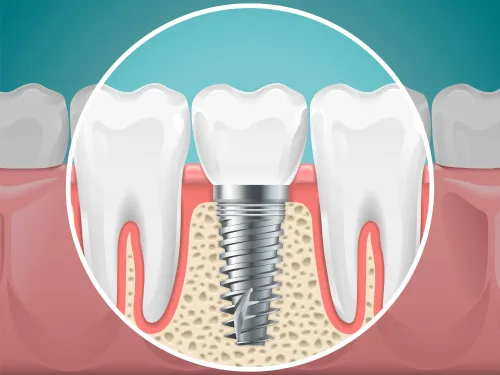
- Confirm whether extraction, bone or soft-tissue grafting, implant placement, abutment, temporary restoration, laboratory-made crown, and maintenance appear as separate lines.
- Check how many visits the estimate assumes and whether retreatment or a failed component has stated warranty terms.
- Request the clinical records supporting extra imaging, such as a cone-beam CT; it should add information that lower-dose X-rays cannot provide.
Check what a low quote leaves out
A low quote is clinically credible only when it covers the steps needed to diagnose, treat, and review your problem. Ask why the price differs: missing dental X-rays, a brief examination, or no periodontal evaluation can hide untreated decay, bone loss, or gum disease.
Check the dentist’s registration with the relevant state or territorial dental board, then review disciplinary history separately from claims such as “implant expert” or “cosmetic dentist.” Ask to see the diagnostic records and examination findings supporting the recommendation, not just a treatment name and total.
Use this checklist before accepting the lower estimate:
- Confirm the exact tooth or area, procedure, material, anesthesia, laboratory charges, taxes, and medicines.
- Ask whether infection control includes instrument sterilization, sealed packs, and clean treatment surfaces between patients.
- Check that a temporary restoration is included when the tooth needs protection between appointments.
- Ask what follow-up includes: review timing, adjustments, healing checks, and charges for an unscheduled problem.
- For implants, confirm whether extraction, grafting, implant placement, abutment, crown, temporary restoration, and maintenance are separate stages.
- Request the cost of implant recall visits and professional cleaning; plaque control and previous periodontitis affect the risk of peri-implant disease.
- Ask what happens if treatment fails or requires retreatment, and whether antibiotics are being proposed instead of drainage, root-canal treatment, or extraction.
A dentist who explains alternatives, records findings, and shows a consistent infection-control process offers stronger evidence of quality than the lowest headline fee. Do not delay urgent care for a cheaper appointment if swelling affects breathing or swallowing, spreads toward the eye or neck, or bleeding will not stop.
Use the first consultation to compare treatment choices
Ask what the dental diagnosis shows, which treatment is essential now, and what happens if you wait three or six months. Request the findings behind the recommendation, including X-rays, periodontal measurements, and photographs. A CBCT scan should be included only when lower-dose imaging cannot answer the planning question.
Use these comparisons to expose the lowest total cost:
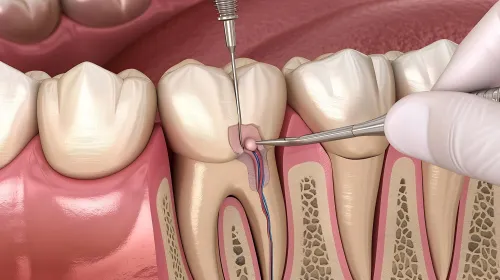
- Save a tooth versus extraction: Ask about root-canal treatment, restoration, expected lifespan, and the cost of replacing the tooth after extraction.
- Filling versus crown: Ask how much healthy tooth remains, which material is proposed, and whether a filling is likely to fracture and require a crown later.
- Removable denture versus implant: Compare surgery, temporary teeth, abutment, crown, laboratory charges, cleaning, recall visits, and repair or replacement costs. An implant quote that omits maintenance is incomplete.
| Option | Ask for | Cost trap |
|---|---|---|
| Save a tooth | Root canal, core, crown, follow-ups | Comparing extraction alone with tooth replacement |
| Filling | Material and fracture risk | Treating a large filling as a permanent crown alternative |
| Implant | Every surgical and restoration stage | Counting only the implant fixture |
Also ask whether antibiotics are treating a systemic infection or merely delaying drainage, root-canal treatment, or extraction. At Dr. Nair’s Dental Care and Implant Center, use this same checklist when comparing a root-canal recommendation with extraction; the cheapest first procedure is not always the cheapest healthy outcome.
A federally qualified health center with sliding-fee discounts is another legitimate comparison for basic care if you qualify by income and family size.
Protect a limited budget with priorities and realistic payment checks
Put money first where delay can turn a manageable problem into an emergency bill. Choose urgent dental care for facial swelling, fever, trauma, uncontrolled pain, or a suspected infection. Treating gum disease and root canals can protect teeth before extraction becomes the costlier outcome.
Use this order when funds are tight:
- Pay for examination, X-rays, infection control, and treatment that stops disease or preserves a tooth.
- Schedule prevention next: cleanings based on your gum health, plus pediatric sealants and fluoride varnish when a child’s cavity risk and tooth anatomy justify them.
- Postpone elective whitening, veneers, and other cosmetic work until essential treatment is complete.
| Payment option | Check before booking | Main budget risk |
|---|---|---|
| Insurance | Ask about dental insurance annual maximums and waiting periods, frequency limits, exclusions, and alternative-benefit clauses. Request the insurer’s written estimate. | A pre-treatment estimate is not a guarantee; crowns, periodontal care, orthodontics, and implants can still leave a large balance. |
| Payment plan | Confirm the deposit, interest rate, credit-check requirement, late fees, refund terms, and whether the full treatment must be paid before completion. | A low monthly payment can hide a higher total price. |
| Sliding-fee clinic | Ask whether a federally qualified health center serves your area and what income and family-size documents it requires. | Eligibility rules and appointment availability can limit access. |
Get the total in writing, including medicines, follow-up visits, and emergency charges. Never choose a payment plan that makes essential care unaffordable next month.
Frequently asked questions
How do you define affordable dental care?
Treat affordability as the complete cost of a safe, durable treatment plan, including diagnostics, materials, follow-ups, and possible additional procedures.
What should a dental estimate include?
Compare each line for consultation, scans, procedures, materials, laboratory work, medicines, temporary restorations, follow-up visits, and taxes or other charges.
How can you identify what a low dental quote leaves out?
Ask what the quoted fee excludes and whether it covers diagnostic tests, anaesthesia, temporary work, aftercare, replacement parts, and treatment for complications.
How should you use the first dental consultation to compare options?
Ask about the diagnosis, treatment alternatives, expected lifespan, risks, timing, maintenance, and the consequences of delaying care.