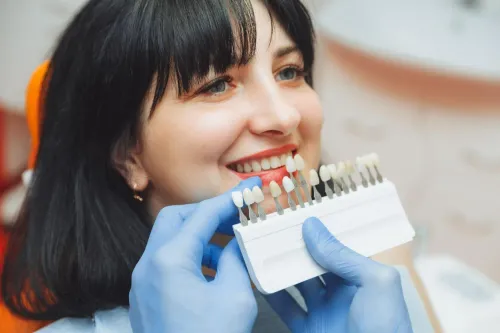
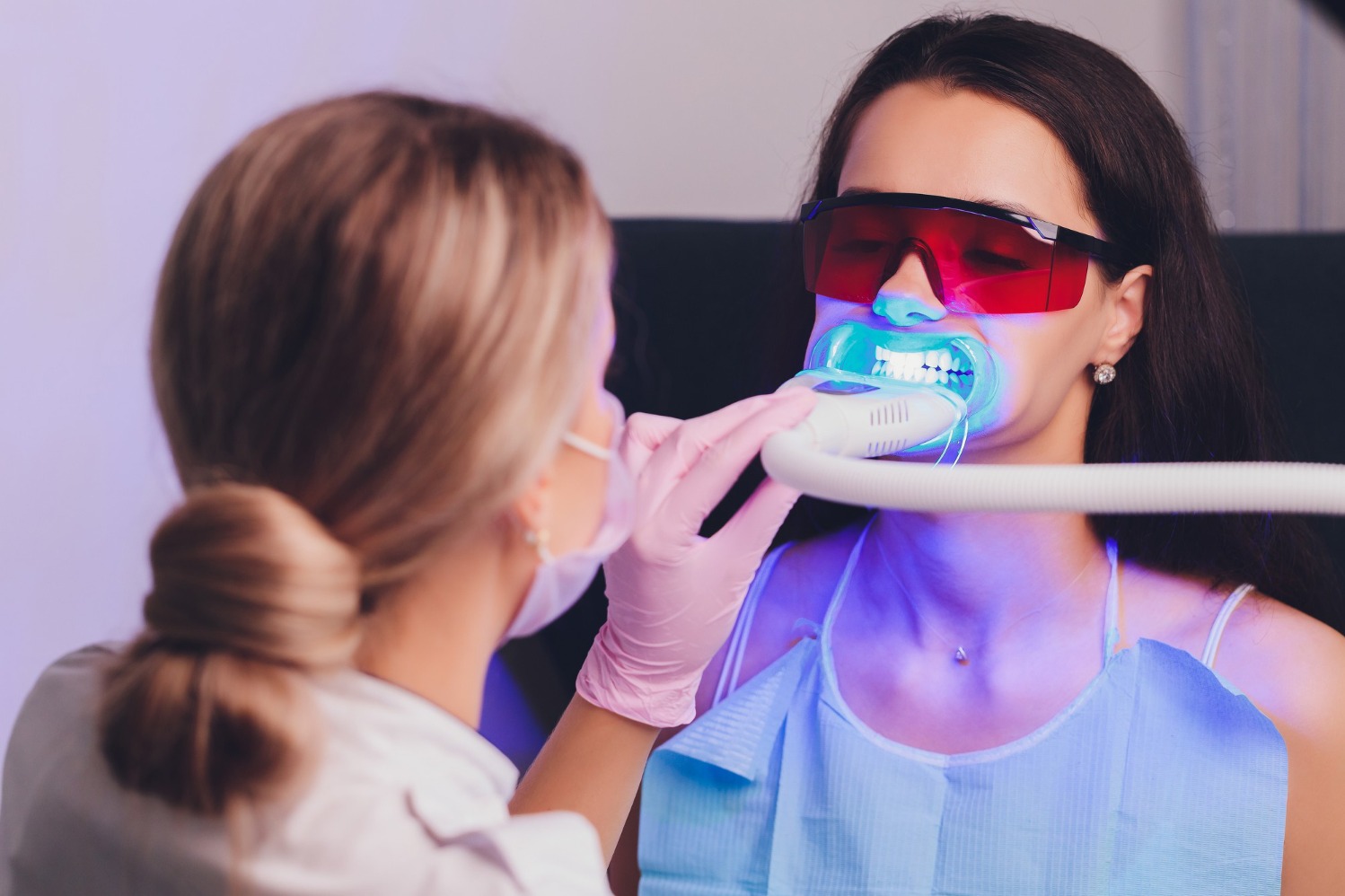
Coffee, tea, tobacco, ageing and natural variations in enamel can all affect tooth colour. When brushing and professional cleaning cannot produce the desired change, teeth whitening may be considered as a cosmetic dental procedure.
Whitening is often described as a simple treatment, but the outcome depends heavily on why the teeth appear discoloured in the first place.
Surface stains and internal colour are different
Not all tooth discolouration responds in the same way.
Surface deposits from food, beverages and tobacco may sometimes improve significantly with professional cleaning. Whitening agents, by contrast, are intended to lighten pigments within the tooth structure.
Some forms of internal discolouration can be more resistant. Examples include colour changes associated with certain medications, developmental conditions, previous trauma, or a non-vital tooth.
Existing fillings, crowns, veneers and bridges do not whiten like natural teeth. This becomes particularly important when restorations are visible in the smile.
What professional whitening involves
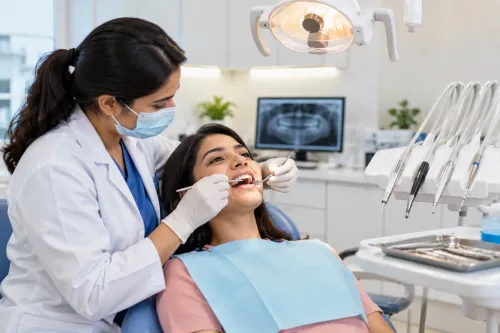
Before whitening, the mouth should be assessed for problems such as cavities, leaking restorations, gum inflammation, enamel cracks and significant sensitivity.
Depending on the patient's needs, treatment may involve professionally supervised home whitening, an in-clinic procedure, or a combination approach.
Whitening materials generally use peroxide-based agents at concentrations appropriate to the selected technique. These agents penetrate the tooth and alter coloured compounds responsible for staining.
The treatment plan should balance the desired colour improvement with sensitivity and oral health considerations.
What benefits can reasonably be expected
For suitable cases, whitening can brighten natural teeth without removing enamel for a restoration. It may be particularly useful when generalized yellowing or staining is the main cosmetic concern.
Results are not identical for every person. The starting shade, type of discolouration, whitening method and individual response all influence the change.
Whitening is also not permanent. Continued exposure to strongly pigmented foods, drinks and tobacco can contribute to new staining over time.
Sensitivity and other risks
Temporary tooth sensitivity is one of the most commonly reported effects of whitening. Gum irritation can occur if whitening material contacts the soft tissues.
Overuse of unsupervised whitening products can create unnecessary sensitivity and irritation. It can also delay diagnosis when a patient attempts to whiten a tooth whose dark appearance is actually related to trauma, decay, or another dental problem.
People with significant sensitivity, active cavities, gum disease, extensive restorations, or certain enamel conditions may need those concerns addressed before cosmetic whitening is considered.
Care before and after whitening
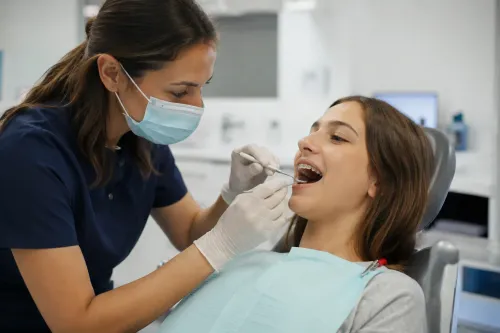
A dental examination can establish whether the discolouration is suitable for whitening and whether cleaning should be performed first.
After treatment, following the dentist's sensitivity-management and hygiene instructions can make the experience more comfortable. Good brushing, flossing and periodic professional cleaning help control new surface staining.
Patients do not need to become excessively restrictive with their diet indefinitely. The more useful long-term strategy is sensible oral hygiene and moderation of habits known to stain teeth.
For people in Kothrud, Pune, Maharashtra, cosmetic planning may also need to account for visible crowns or fillings so the final smile does not contain obvious colour mismatches.
At Dr. Nair's Dental Care and Implant Center, whitening can be evaluated as an individual cosmetic procedure or as one part of broader restorative and smile planning.
Frequently asked questions
Does whitening damage enamel?
Professionally selected whitening protocols are designed for use on suitable teeth. Uncontrolled or excessive product use should be avoided.
Will crowns become whiter?
No. Existing ceramic and composite restorations generally do not respond like natural enamel.
How long do results last?
There is no universal duration. Diet, tobacco exposure, oral hygiene and the original cause of staining all affect colour stability.
Is whitening the right treatment for every dark tooth?
No. A single dark tooth, particularly after trauma, requires diagnosis before cosmetic treatment is selected.
Keywords