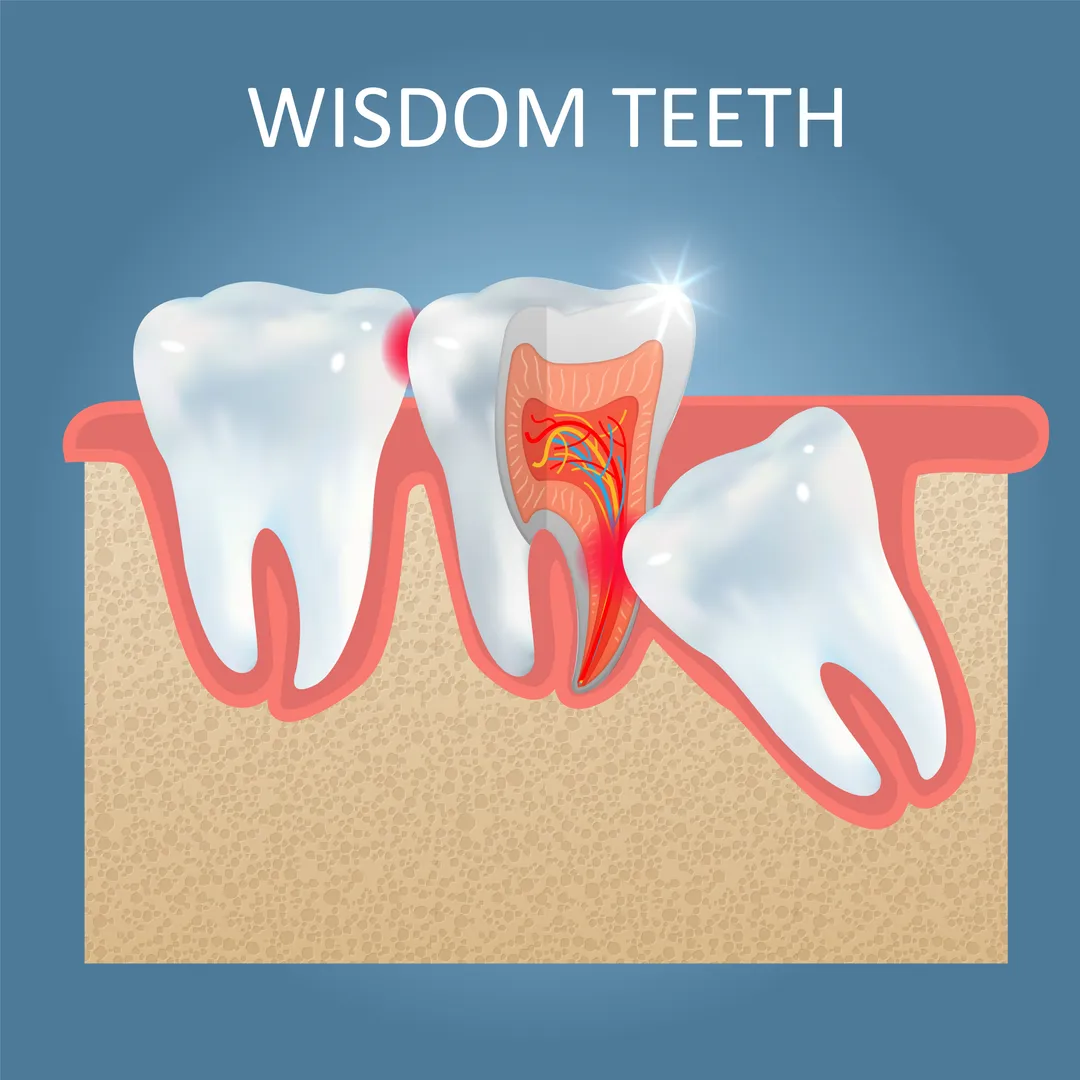
Wisdom teeth are the last set of molars to develop, usually emerging between the late teenage years and the mid-twenties. While some people experience no issues, others may develop pain, swelling, crowding, or infections that require Wisdom Tooth Extraction. Understanding when removal is recommended can help prevent more serious dental complications.
A wisdom tooth does not automatically need to be extracted simply because it appears. The decision depends on its position, available space, surrounding gum health, and its impact on neighboring teeth. A clinical examination and dental imaging help determine the most appropriate course of action.
Why Wisdom Teeth Sometimes Cause Problems
Modern jaws often do not have enough room to accommodate wisdom teeth. As a result, they may erupt at an angle, remain trapped beneath the gums, or partially emerge.
These situations can lead to:
- Pain around the back teeth
- Swollen or infected gums
- Difficulty cleaning the area
- Tooth decay
- Damage to adjacent teeth
- Jaw discomfort
An impacted wisdom tooth may remain symptom-free for some time before problems develop, making regular dental examinations valuable.
Signs That Need Professional Attention
Not every discomfort at the back of the mouth requires extraction, but certain symptoms should not be ignored.
These include:
- Persistent pain while chewing
- Repeated gum swelling
- Difficulty opening the mouth fully
- Bad taste caused by trapped food
- Frequent infections around the wisdom tooth
- Pressure affecting nearby teeth
Prompt evaluation helps determine whether monitoring or treatment is the better option.
What Happens During the Procedure
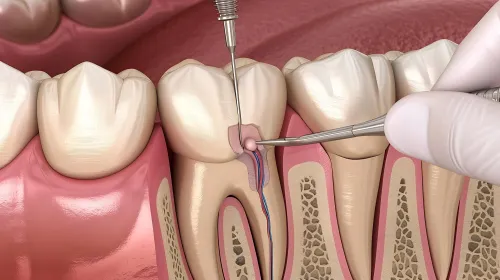
The complexity of extraction depends on how the tooth is positioned. A fully erupted tooth may be removed more simply, while impacted teeth often require a surgical approach.
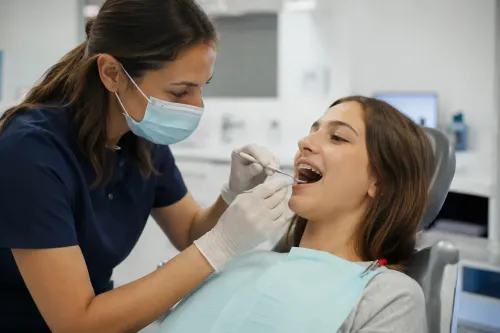
Treatment generally involves:
- Clinical examination
- Digital X-rays
- Local anaesthesia
- Tooth removal
- Cleaning of the extraction site
- Post-treatment instructions
The dentist explains the procedure based on the patient's individual condition rather than following a one-size-fits-all approach.
Recovery Tips for Better Healing
Following the recommended aftercare supports healing and reduces the risk of complications.
Patients are commonly advised to:
- Rest for the first day
- Eat soft foods initially
- Avoid smoking
- Follow prescribed medications
- Maintain gentle oral hygiene
- Attend follow-up appointments if recommended
Healing varies from person to person, depending on the complexity of the extraction.
Many residents in Kothrud seek assessment when wisdom teeth begin causing discomfort instead of waiting for severe pain. Early evaluation often provides more treatment options and helps prevent repeated infections.
Dr. Nair's Dental Care and Implant Center evaluates wisdom teeth using modern diagnostic imaging before recommending extraction. Through sculptingsmiles.in, patients can also understand when observation is appropriate and when removal may better support long-term oral health.
Wisdom tooth extraction is recommended only when clinical findings indicate that the tooth may compromise oral health. An accurate diagnosis and timely treatment help preserve surrounding teeth while reducing future dental complications.
Keywords