Missing teeth can affect much more than appearance. They may influence chewing efficiency, speech clarity, facial support, and overall oral health. Visiting a reliable Dental Implants Clinic helps patients understand the available tooth replacement options and whether dental implants are suitable for their individual needs.
Unlike removable dentures, dental implants are designed to replace both the tooth root and the visible tooth. This approach provides a stable foundation for replacement teeth while supporting the surrounding jawbone. Although implants have become a widely accepted restorative solution, not every patient follows the same treatment plan. A thorough clinical evaluation remains an essential first step.
Understanding How Dental Implants Work
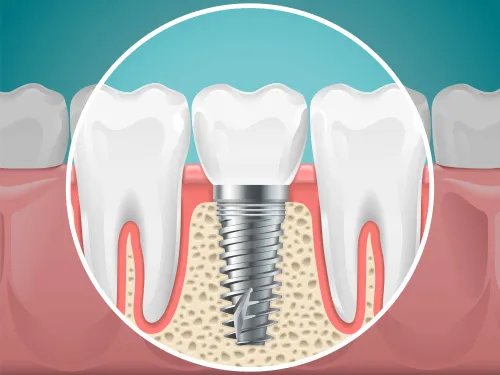
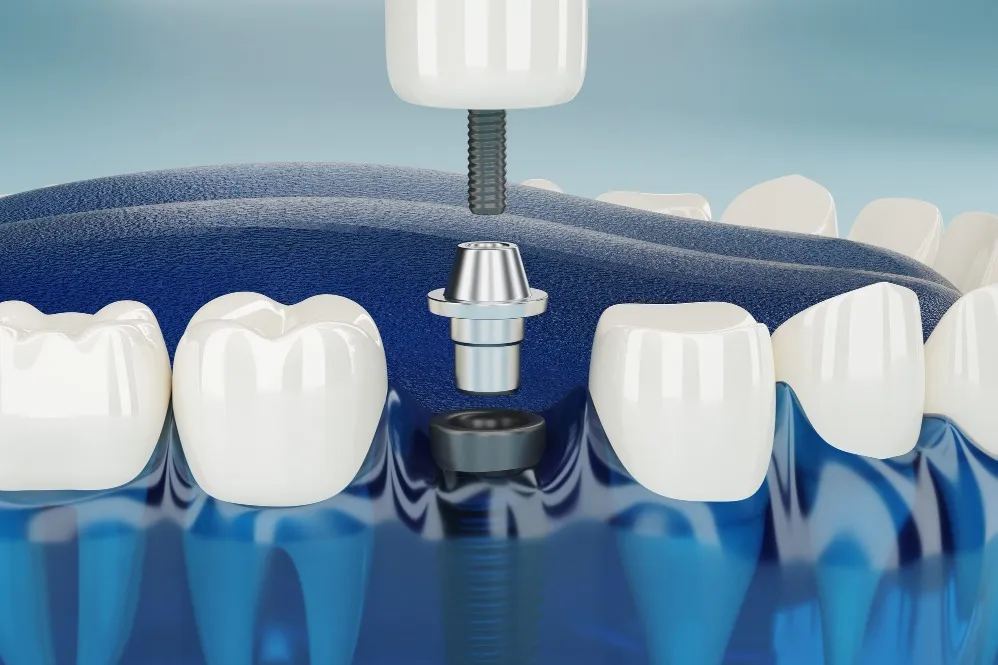
A dental implant is a titanium post that is placed into the jawbone to act as an artificial tooth root. Once the implant integrates with the bone, a custom-made crown is attached to restore function and appearance.
Depending on the patient's condition, implants may be used to replace:
- A single missing tooth
- Multiple missing teeth
- An entire dental arch
- Loose or unstable dentures
The number of implants required varies according to bone quality, oral health, and the desired treatment outcome.
Who May Be a Suitable Candidate
Dental implants are suitable for many adults, but eligibility depends on several factors. During an assessment, the dentist typically evaluates:
- Bone density and jaw structure
- Gum health
- Overall oral hygiene
- Existing medical conditions
- Smoking habits
- Previous dental treatments
Diagnostic imaging helps determine whether additional procedures, such as bone grafting, may be required before implant placement.
Benefits Beyond Replacing Missing Teeth
Patients often focus on replacing the visible gap, but implants offer several functional advantages as well.
Potential benefits include:
- Improved chewing ability
- Better speech stability
- Support for facial structure
- Reduced movement compared to removable dentures
- Preservation of surrounding bone
- Easier maintenance through regular oral hygiene
These advantages contribute to both oral function and long-term dental health.
What to Expect During Treatment
Dental implant treatment generally takes place over multiple appointments.
The process commonly includes:
- Comprehensive consultation and imaging
- Personalized treatment planning
- Implant placement
- Healing period for bone integration
- Placement of the final restoration
- Routine follow-up care
Healing times vary depending on individual circumstances and the complexity of treatment.
People in Kothrud often seek implant consultations after losing teeth due to decay, injury, or gum disease. Understanding the treatment process allows patients to make informed decisions based on their clinical needs rather than assumptions.
Dr. Nair's Dental Care and Implant Center provides implant evaluations using modern diagnostic techniques to determine the most appropriate restorative approach for each patient. Information available through sculptingsmiles.in also helps individuals understand the different stages involved in implant treatment.
Replacing missing teeth is not only about aesthetics. Restoring proper function, maintaining jaw health, and improving long-term oral stability are equally important. A consultation at a qualified dental implants clinic provides the information needed to choose a treatment plan that supports lasting oral health.
Keywords