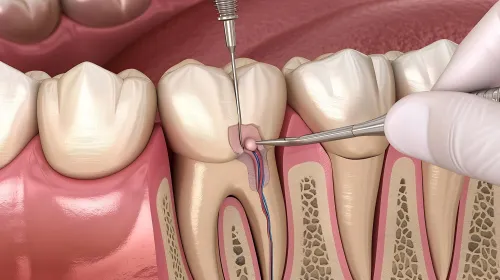
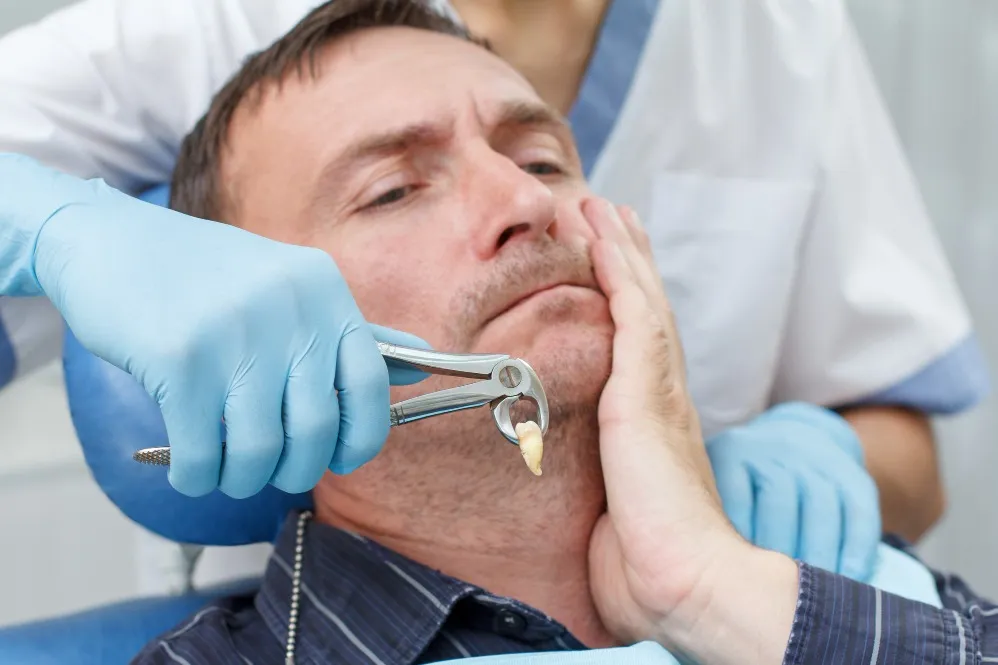
Although preserving natural teeth is always a priority, there are situations where Tooth Extraction becomes the most appropriate treatment. Removing a severely damaged or problematic tooth may help protect surrounding teeth, relieve discomfort, and prevent the spread of infection.
Many people assume extraction is recommended only when pain becomes unbearable. In reality, dentists consider several clinical factors before advising removal. A thorough examination ensures that extraction is suggested only when other suitable treatment options are unlikely to provide long-term success.
When Tooth Extraction May Be Recommended
A tooth may require extraction because it can no longer be restored safely or predictably.
Common reasons include:
- Extensive tooth decay
- Severe gum disease
- Tooth fractures below the gum line
- Advanced infection
- Overcrowding before orthodontic treatment
- Teeth damaged beyond repair following trauma
The recommendation depends on clinical findings rather than symptoms alone.
How Dentists Decide Between Saving and Removing a Tooth
Whenever possible, dentists first evaluate treatments that preserve the natural tooth.
Factors considered include:
- Remaining healthy tooth structure
- Condition of the surrounding bone
- Gum health
- Extent of infection
- Long-term prognosis
- Overall oral treatment plan
If restorative treatment is unlikely to provide lasting stability, extraction may be the healthier option.
What Patients Can Expect During the Procedure
Modern dental techniques focus on making treatment as comfortable as possible.
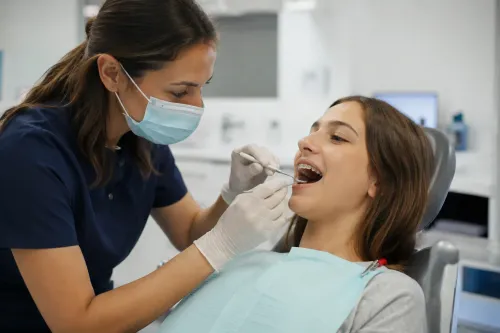
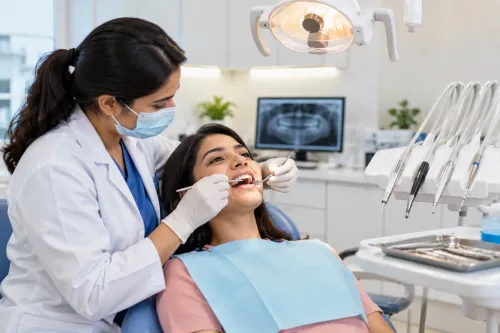
The process generally involves:
- Clinical examination
- Digital imaging
- Local anaesthesia
- Careful removal of the tooth
- Cleaning of the extraction site
- Recovery guidance and follow-up instructions
Some extractions are straightforward, while others require a surgical approach depending on the tooth's position.
Recovery After Tooth Extraction
Following post-treatment advice supports proper healing.
Patients are usually encouraged to:
- Rest during the first 24 hours
- Eat soft foods initially
- Avoid vigorous rinsing immediately after treatment
- Maintain gentle oral hygiene
- Attend follow-up appointments if advised
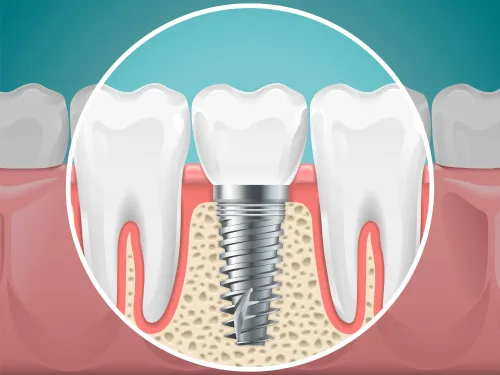
If the extracted tooth requires replacement, options such as implants or bridges may be discussed after healing.
Residents of Karvenagar often benefit from early dental evaluation when a damaged tooth begins causing repeated problems. Prompt diagnosis helps determine whether preservation remains possible or whether extraction is the most appropriate solution.
Dr. Nair's Dental Care and Implant Center evaluates every tooth carefully before recommending extraction, ensuring treatment decisions are based on long-term oral health rather than temporary symptom relief. Information available through sculptingsmiles.in also helps patients understand replacement options when needed.
Tooth extraction is sometimes the best way to protect overall oral health. When combined with appropriate aftercare and a well-planned restorative strategy, it can help maintain comfort, function, and the long-term health of the remaining teeth.
Keywords