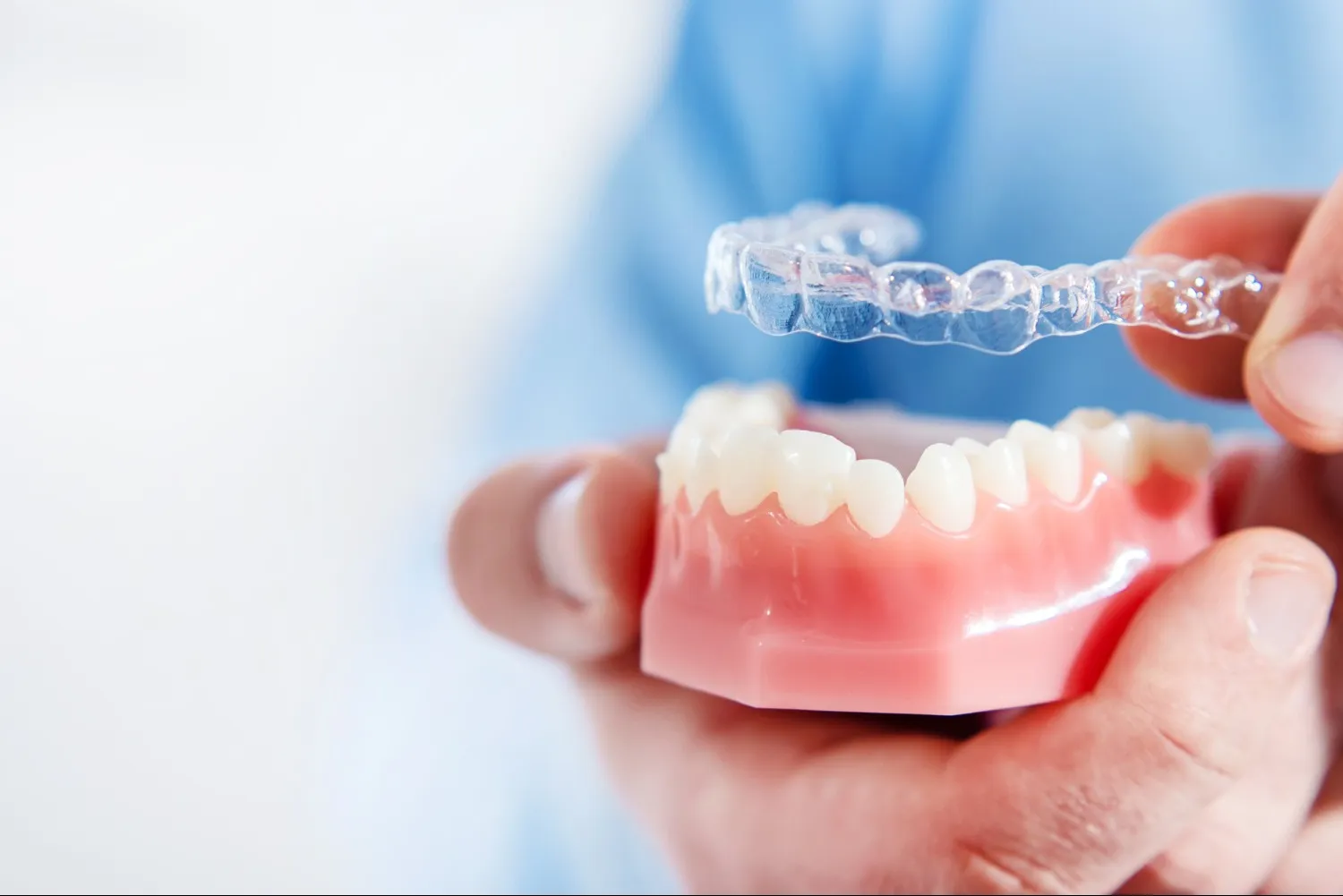
The appeal of Clear Aligners is easy to understand. They offer a removable and relatively discreet way to move teeth, making them attractive to adults and older teenagers who may prefer an alternative to conventional fixed braces. Their appearance, however, is only one part of the treatment decision.
Successful aligner therapy depends on correct diagnosis, appropriate case selection and consistent wear.
How clear aligners move teeth
Aligner treatment uses a planned sequence of custom-made trays. Each stage applies controlled forces intended to move selected teeth gradually toward their planned positions.
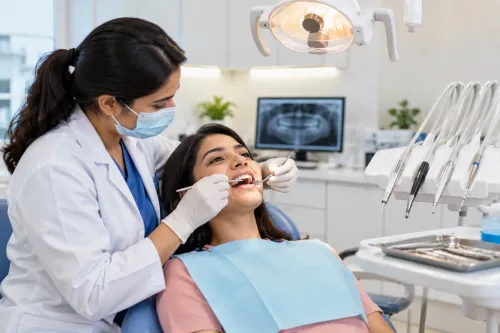
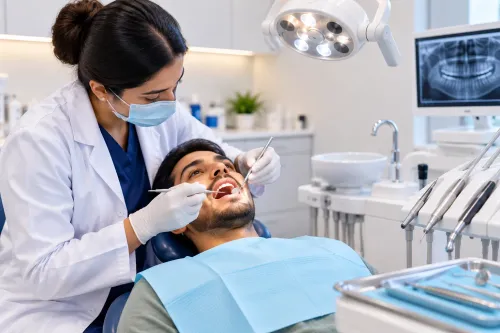
Before treatment, the dentist or orthodontic clinician evaluates the teeth, bite, jaw relationship and supporting gum and bone structures. Digital scans, photographs and radiographs may form part of this assessment.
A digital simulation can illustrate the proposed movement, but it should be viewed as a treatment-planning tool rather than a guarantee of the exact final result.
Which dental problems may be treated
Depending on severity and individual anatomy, aligners may be considered for problems such as:
- Mild to moderate crowding
- Spaces between teeth
- Selected bite discrepancies
- Relapse following previous orthodontic treatment
- Certain rotated or misaligned teeth
Complex tooth movements, significant skeletal discrepancies and some severe bite problems may require additional techniques or another orthodontic approach.
That is why choosing treatment solely because clear trays look convenient can be misleading.
What treatment involves
Once a treatment plan is established, the patient receives aligners in stages. They usually need to be worn for most of the day and removed for meals, drinking beverages that could damage or stain them, and oral hygiene.
Small tooth-coloured attachments may be placed on selected teeth to improve movement. Some patients may also require enamel reduction between teeth, elastics, or other auxiliary procedures when clinically appropriate.
Treatment length varies substantially. The complexity of movement and how consistently the trays are worn both influence progress.
Daily life during aligner treatment
There may be temporary pressure or tenderness when beginning a new tray. Speech can also feel slightly different initially, although many people adapt quickly.
One practical advantage is that the trays can be removed for brushing and flossing. This does not eliminate the need for excellent hygiene. Wearing aligners over teeth that have not been cleaned after eating can increase the risk of plaque accumulation and dental problems.
Patients in Kothrud and across Pune, Maharashtra, should also consider how reliably they can follow the wear schedule before choosing removable orthodontics.
Benefits and possible risks
Clear aligners can offer discreet appearance, easier access for oral hygiene and fewer food restrictions compared with fixed appliances.
Possible limitations or risks include:
- Incomplete planned tooth movement
- Temporary discomfort
- Gum irritation
- Changes in the bite during treatment
- Cavities or gum inflammation when hygiene is poor
- Lost or damaged trays
- Longer treatment when aligners are not worn adequately
Additional refinement aligners may sometimes be required.
Care before and after treatment
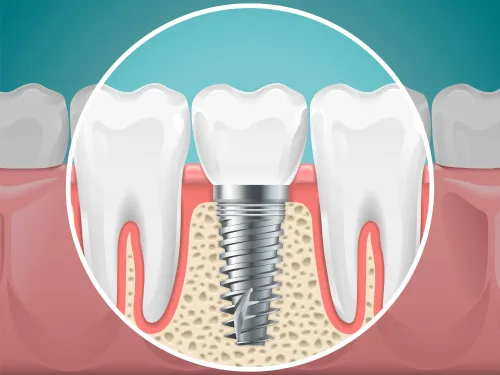
Existing decay and active gum disease should generally be addressed before orthodontic tooth movement begins. Patients should also discuss crowns, implants, missing teeth and previous dental work because these can influence planning.
During treatment, trays need regular cleaning according to professional instructions. Very hot water should be avoided because it can distort some aligner materials.
Once active tooth movement is complete, retainers become essential. Teeth naturally have a tendency to shift, so retention is a long-term part of orthodontic care rather than an optional extra.
Common questions about aligners
Can everyone use clear aligners?
No. Suitability depends on the type and complexity of the orthodontic problem.
Can aligners be removed whenever needed?
They are removable, but excessive time without them can interfere with planned movement.
Are aligners automatically faster than braces?
Not necessarily. Treatment time depends on the case rather than simply the appliance.
An orthodontic assessment at Dr. Nair's Dental Care and Implant Center can help patients understand whether removable aligners, fixed braces, or another approach is more appropriate for their particular bite and alignment needs.
Keywords