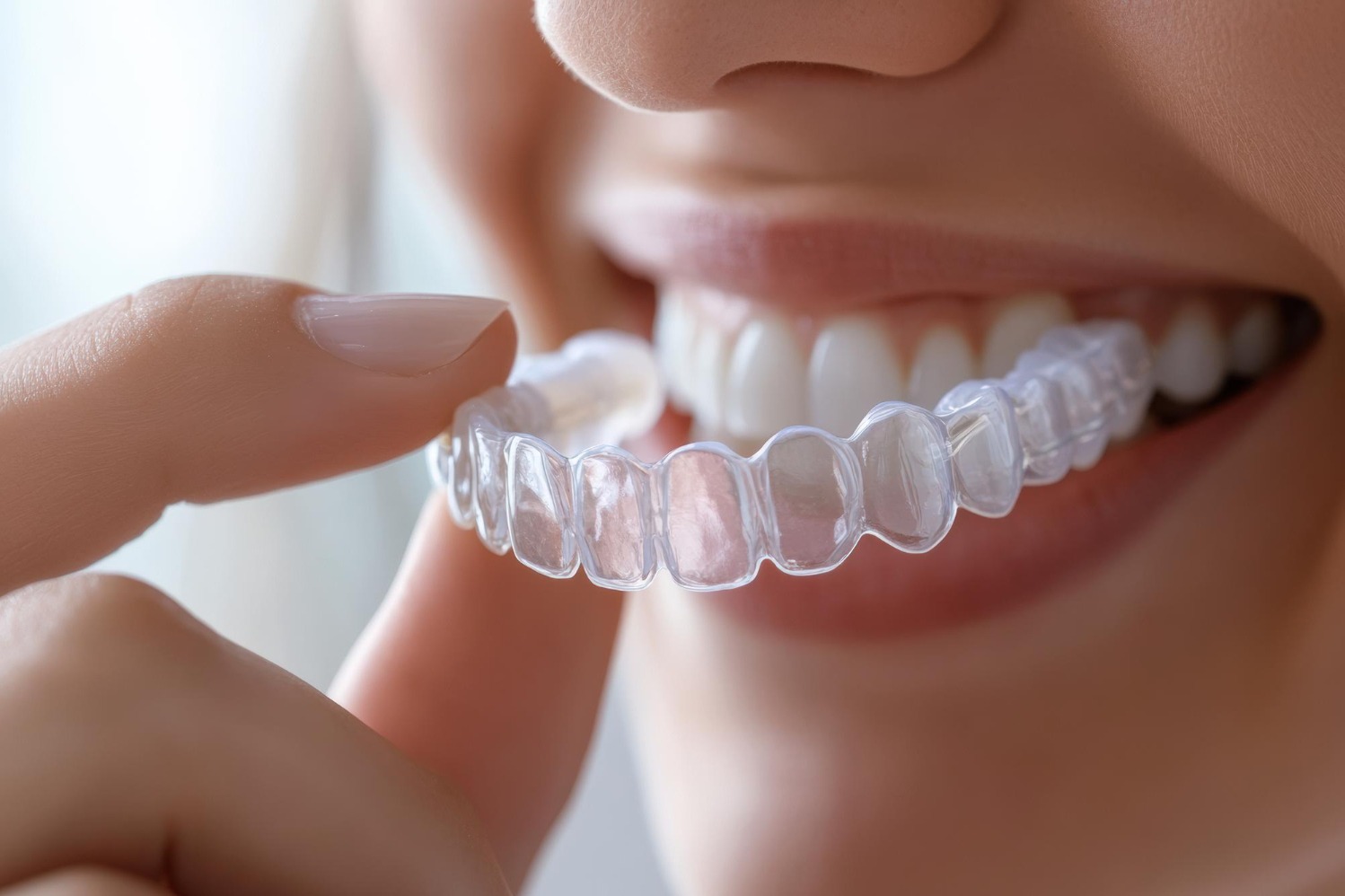
Adults considering orthodontic treatment often want to improve alignment without making the appliance the most noticeable part of their smile. An Invisalign Dentist may evaluate whether clear removable aligner therapy can achieve the required tooth movements while fitting the patient's daily routine.
The important question is not whether the trays are popular. It is whether they are appropriate for the specific teeth and bite being treated.
Assessment comes before the digital treatment plan
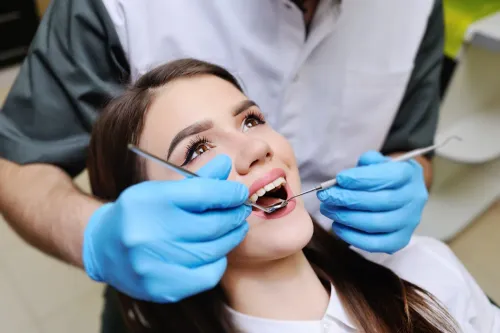
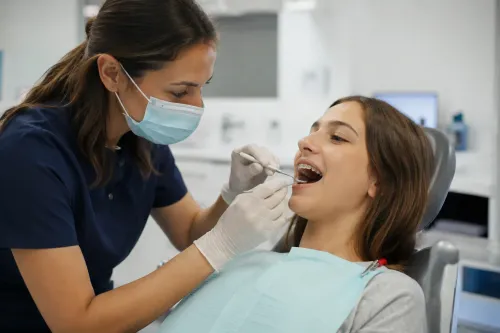
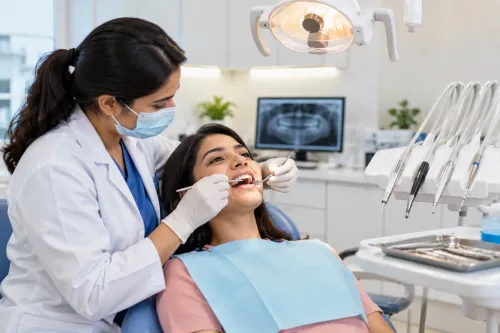
Orthodontic planning begins with an examination of the teeth, gums, bite and jaw relationship. Digital scans, photographs and radiographs may be required to understand the starting position accurately.
The clinician also needs to consider:
- Crowding and spacing
- Tooth rotations
- Overbite and overjet
- Crossbite patterns
- Missing teeth
- Existing crowns or bridges
- Gum and bone health
- Previous orthodontic treatment
A digital setup can then be developed to map intended tooth movement.
Why case complexity matters
Clear aligners can manage many orthodontic problems, but some movements are more predictable than others.
Attachments, elastics and other auxiliaries may be incorporated when additional control is needed. Some cases may require refinement stages after the initial aligner sequence.
More complex skeletal or dental discrepancies may be better managed using fixed appliances, combined approaches, or specialist orthodontic treatment.
Patients should therefore be cautious about selecting treatment solely from an online simulation or a promise about appearance.
What adult patients often value
Removable aligners can be convenient during meals because there are fewer appliance-related food restrictions. They also provide easier access for brushing and flossing.
For working adults in Kothrud and across Pune, Maharashtra, their relatively discreet appearance may be another practical advantage.
The trade-off is compliance. If the aligners remain out for extended periods, planned tooth movement can be delayed or become less predictable.
What to expect during treatment
Patients change trays according to the prescribed schedule and attend reviews so progress can be compared with the treatment plan.
Mild pressure is common when beginning a new aligner. Some people experience temporary changes in speech or irritation from tray edges.
If an aligner stops fitting properly, repeatedly removing it is not the solution. The clinician needs to determine whether wear has been inadequate, an attachment has been lost, or the teeth are not tracking as expected.
Risks should still be discussed
Clear appliances do not remove the biological risks associated with orthodontic movement.
Possible concerns include gum inflammation, cavities, temporary sensitivity, root changes, unwanted movement and relapse. Existing gum disease can make orthodontic treatment inappropriate until periodontal health has been stabilized.
Excellent hygiene remains essential throughout treatment.
Retainers matter as much as the final aligner
Once active movement has finished, retention helps protect the result. The tissues around teeth need time to adapt, and natural age-related movement can continue later in life.
Retainer recommendations should therefore be understood before beginning treatment, not introduced as an afterthought at the end.
At Dr. Nair's Dental Care and Implant Center, adult aligner planning can be based on examination and diagnostic records rather than appearance alone.
Frequently asked questions
Is Invisalign suitable for severe crowding?
Some complex cases can be treated with aligners, while others may require additional methods. Clinical assessment is necessary.
Can I eat while wearing the trays?
Aligners are generally removed for meals according to the instructions provided by the treating clinician.
What happens if I lose an aligner?
Contact the dental team rather than automatically moving to another tray.
How quickly will teeth become straight?
There is no standard timeline. Complexity, biological response and compliance influence treatment length.
For adults comparing orthodontic options, the most useful consultation is one that explains not only what aligners can accomplish but also where their limitations may affect the proposed result.
Keywords